Massage beds

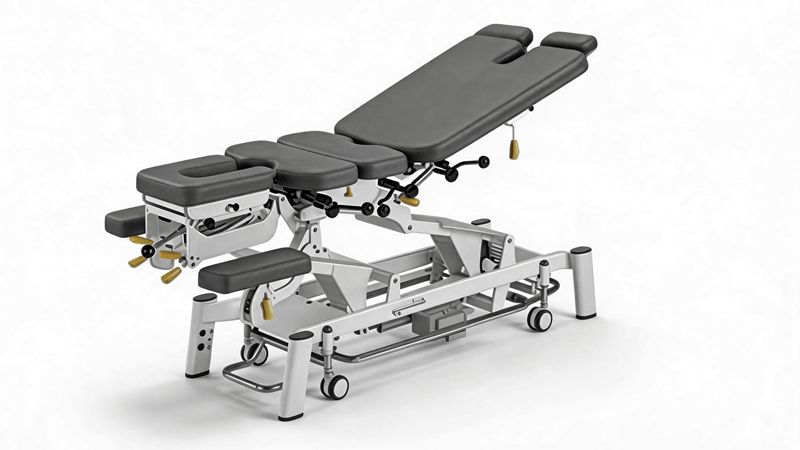
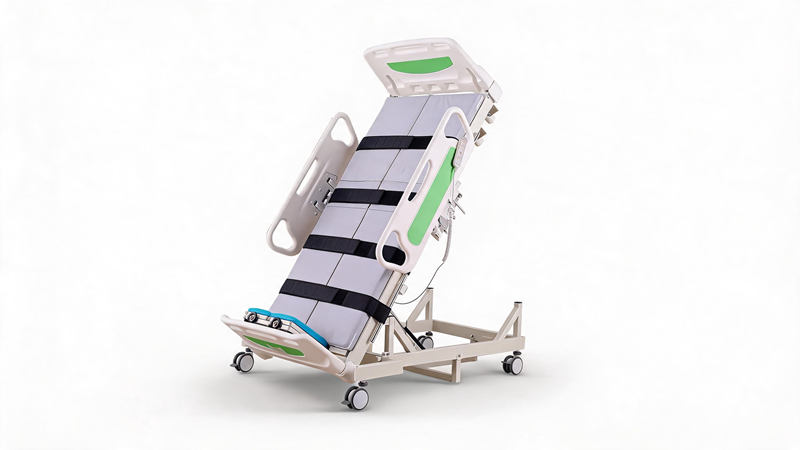
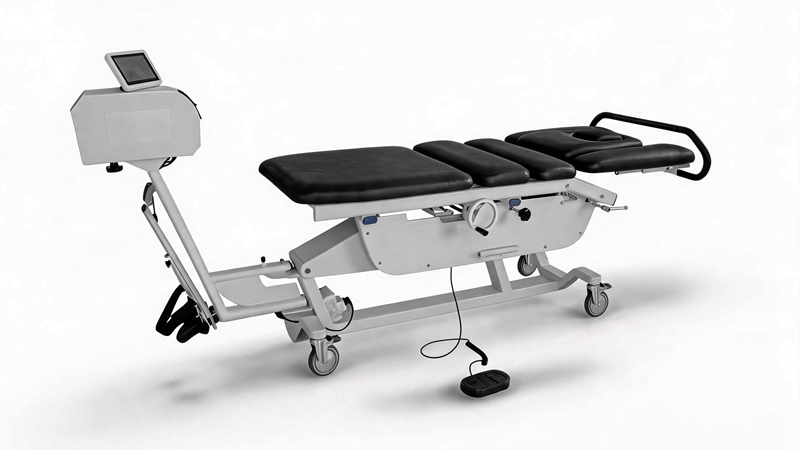
Massage beds (also known as electric massage beds or physiotherapy massage beds) are among the most widely used pieces of equipment in rehabilitation and health management. They are widely used in rehabilitation and physiotherapy departments, tuina clinics, sports rehabilitation centers, elderly care facilities, and home healthcare settings. Electric massage beds use electric linear actuators to drive multi-dimensional posture adjustments—such as backrest elevation, leg flexion, and height adjustment—providing patients with the most comfortable treatment position. Therapists can adjust the bed surface to the ideal height and angle at the touch of a button, depending on the treatment area and the techniques required, thereby effectively reducing the risk of occupational strain. Patients, in turn, can receive massage and physiotherapy while in a comfortable position, allowing them to relax both mind and body and promote recovery.

Our electric linear actuator system is a precision drive component specifically designed for the various positional adjustments required in massage beds. By receiving commands from the control system, the actuators precisely control multiple dimensions of the bed's position, including the backrest angle, leg elevation angle, and bed height. Compared to traditional manual adjustment methods, electric linear actuators offer a more precise, effortless, and efficient adjustment experience.


MORE
Linear actuators Controls
Introduction

System configuration

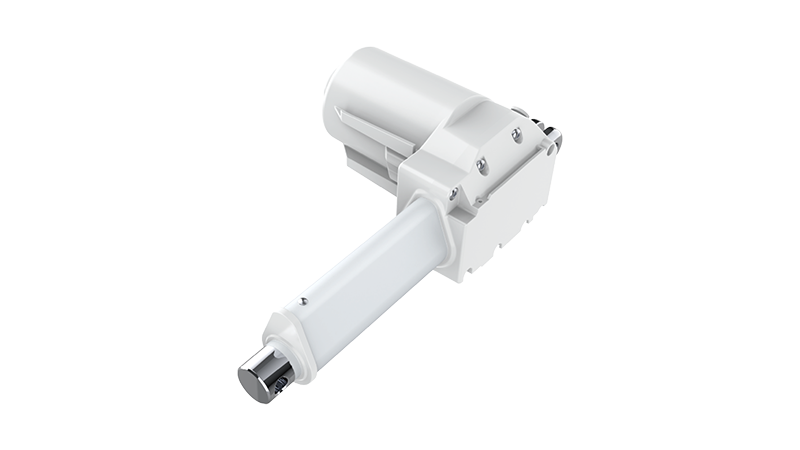
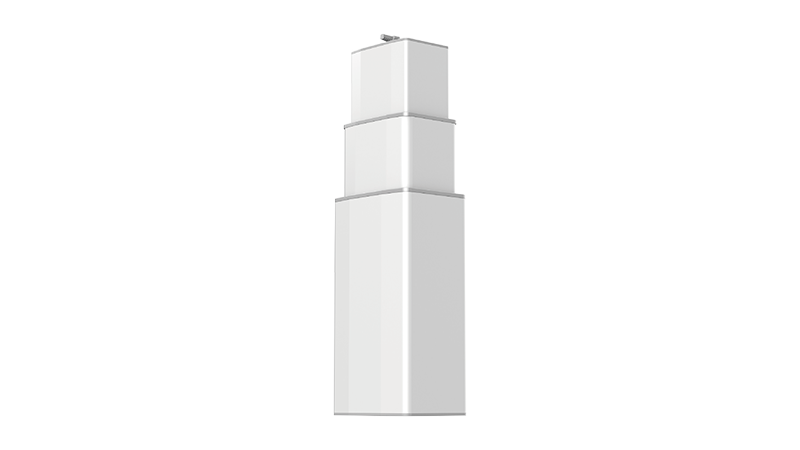
● Linear actuator (backrest lift, leg elevation, height adjustment)

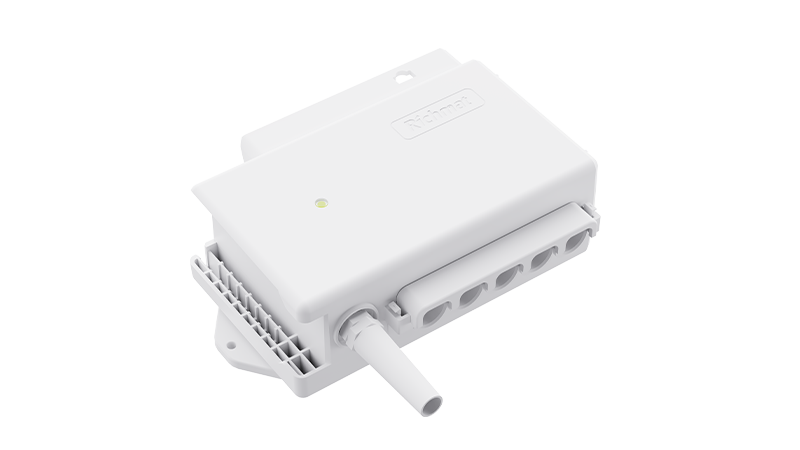
● Control box

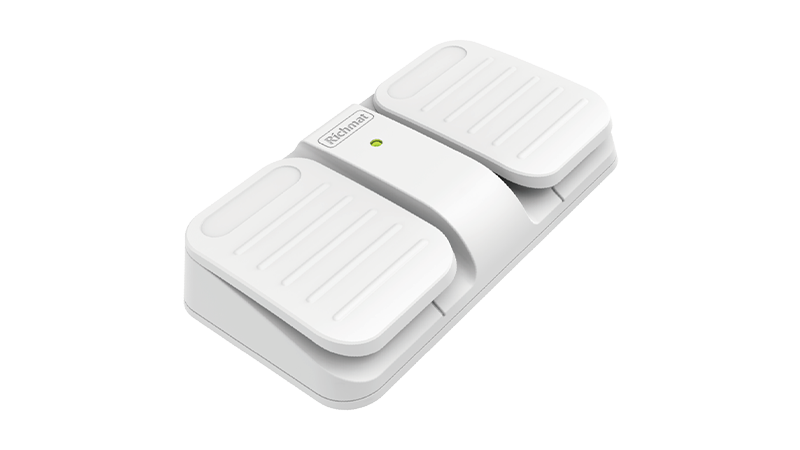
● Controls

Key features and benefits

Coordinated multi-actuator operation for comprehensive posture adjustment

Modern massage beds typically incorporate multi-dimensional adjustment functions such as backrest lift, leg elevation, and height adjustment. Our electric actuator system supports both independent control and coordinated operation of multiple actuators—the backrest actuator raises and lowers the backrest, the leg rest actuator raises and lowers the leg section, and the height adjustment actuator regulates the overall height of the bed. These three-dimensional movements can be operated independently or synchronized at the touch of a button, enabling rapid transitions from a supine to a seated position, and from a low to a high height.

Smooth and quiet operation, creating a relaxing therapeutic atmosphere

The core of massage therapy lies in "relaxation"—only when patients are relaxed can their muscles fully relax, maximizing the therapeutic effect. Our electric linear actuators maintain an extremely low noise level during operation; the bed's position adjustments are silent, ensuring the tranquil atmosphere of the treatment room remains undisturbed, allowing patients to complete each session in a state of relaxation.

High protection rating, effortlessly withstanding massage oils and disinfectants

During daily use, massage beds come into frequent contact with massage oils, body lotions, and various cleaning and disinfectant solutions, placing high demands on the equipment's protection rating. Our electric actuators feature a high protection rating, providing full resistance to the ingress of liquids and chemicals. The use of corrosion-resistant materials and a sealed structural design ensures stable and reliable performance even in environments with prolonged exposure to oils and disinfectants.

Compact design, suited to the trend towards lightweight massage beds

Modern massage beds are evolving towards being lighter and more portable. Our electric linear actuators are known for their ultra-compact design; with a short installation length and small footprint, they fit perfectly into the limited space within the massage bed base without compromising the bed's overall appearance or portability.

Built-in Hall sensors, enabling precise control for customers

Our actuators feature built-in Hall sensors that provide real-time feedback on stroke position and operational status via pulse signals. This enables the customer's control system to precisely monitor the bed's real-time posture, facilitating intelligent functions such as one-touch reset and position memory. Therapists can preset a variety of commonly used treatment positions (such as supine, prone, and seated) and switch between them at the touch of a button, significantly enhancing treatment efficiency.

Richmat's engineers provide end-to-end technical support—from requirements analysis and solution design through to product delivery. With our reliable, medical-grade linear drive systems, we ensure every moment of relaxation, physiotherapy, and mind-body relief is safeguarded.


Related Products
Other Applications
Rehabilitation robots

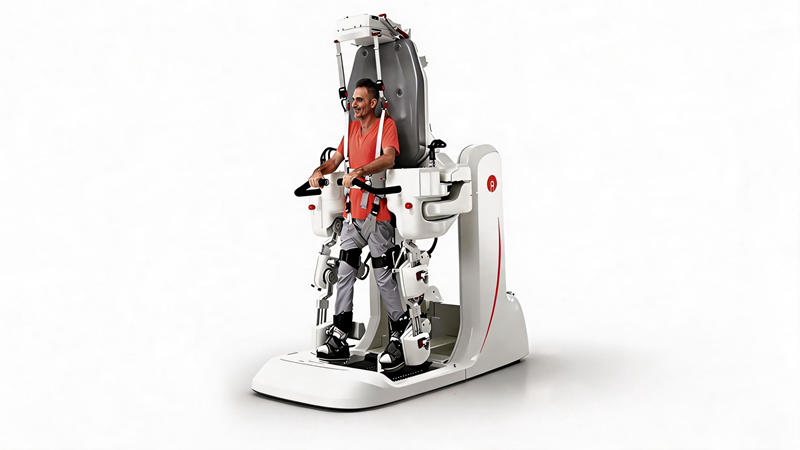
Rehabilitation robots represent a cutting-edge field at the intersection of rehabilitation medicine and robotics technology. They are widely applied in neurological rehabilitation (stroke, spinal cord injury), orthopedic rehabilitation (post-joint replacement, sports injuries), geriatric rehabilitation, and pediatric rehabilitation. Through precise mechanical drive and intelligent control, rehabilitation robots assist patients in performing repetitive, task-oriented rehabilitation exercises, effectively restoring limb function. Unlike traditional one-to-one manual rehabilitation training, rehabilitation robots can deliver high-intensity, highly consistent, and quantifiable training programs, significantly enhancing the efficiency and effectiveness of rehabilitation.

Rehabilitation robots come in various forms—ranging from lower-limb exoskeletons and upper-limb rehabilitation robots to finger rehabilitation robots and ankle rehabilitation robots. Regardless of the form, electric linear actuators serve as the key executive components for realizing core functions such as joint actuation, posture adjustment, and load regulation. The actuators are supplied as individual components featuring built-in Hall sensors and are integrated into the customer's control system.

Our electric linear actuator system is a precision drive component specifically designed for the various movements performed by rehabilitation robots. The actuator converts the rotational motion of the motor into precise linear motion, driving the robot's joints to perform rehabilitation movements such as flexion, extension, and rotation. Its high precision, low noise, and long service life make it an ideal choice for rehabilitation robot drive solutions.