System configuration
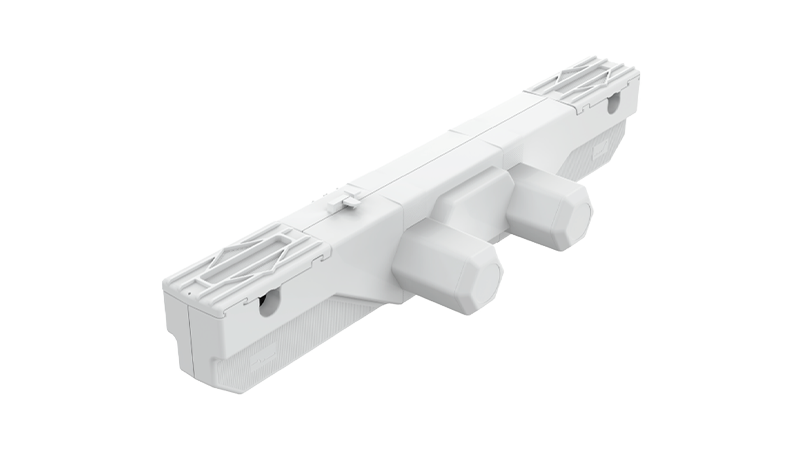
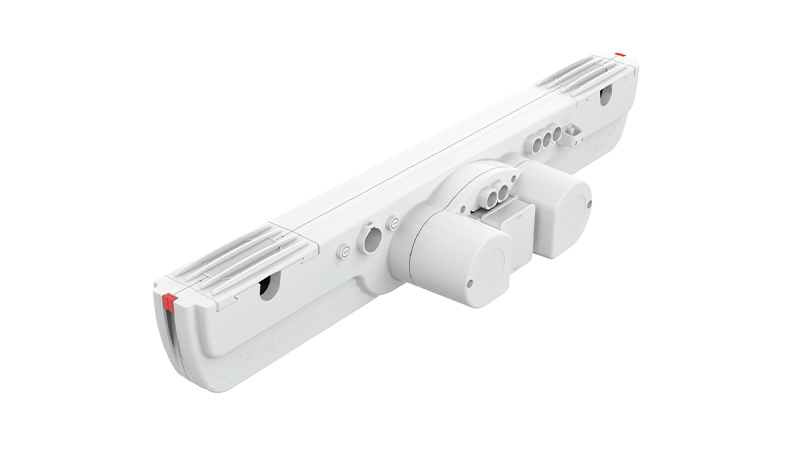
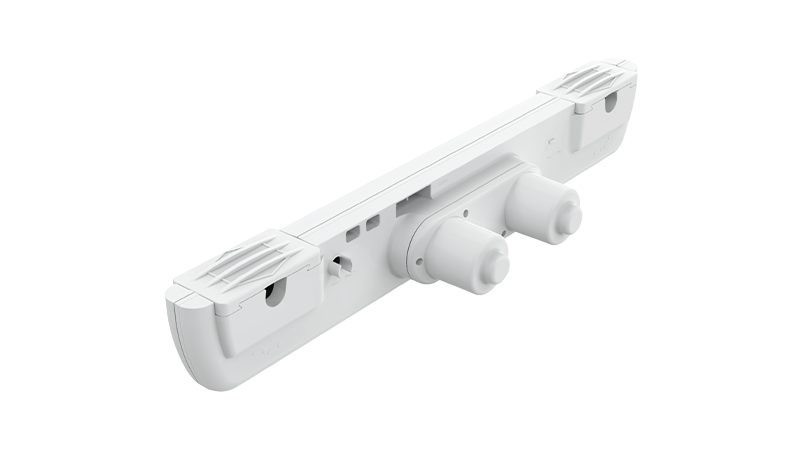
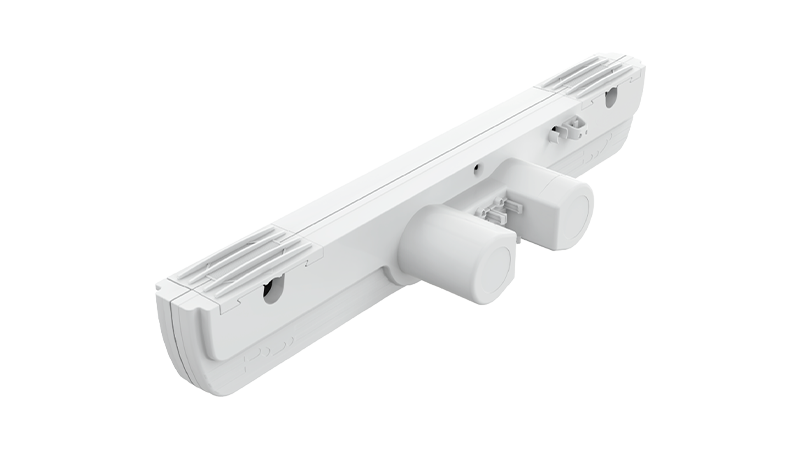
● High-load dual actuator (primary drive unit)
● High-load linear actuators (2–3 units, auxiliary drive)
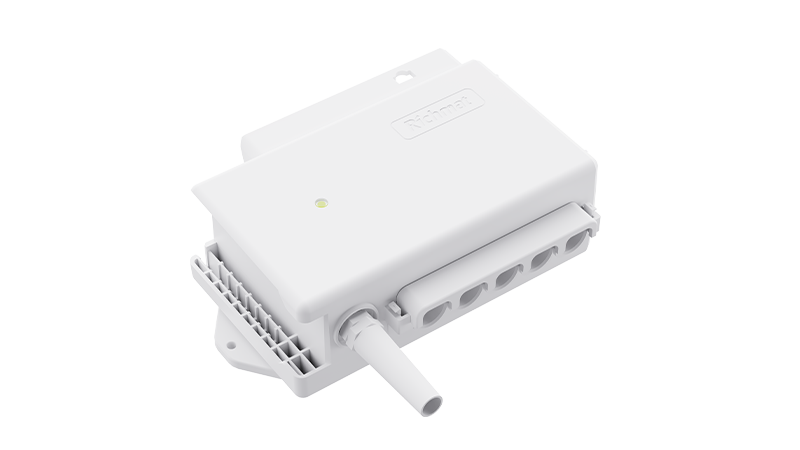
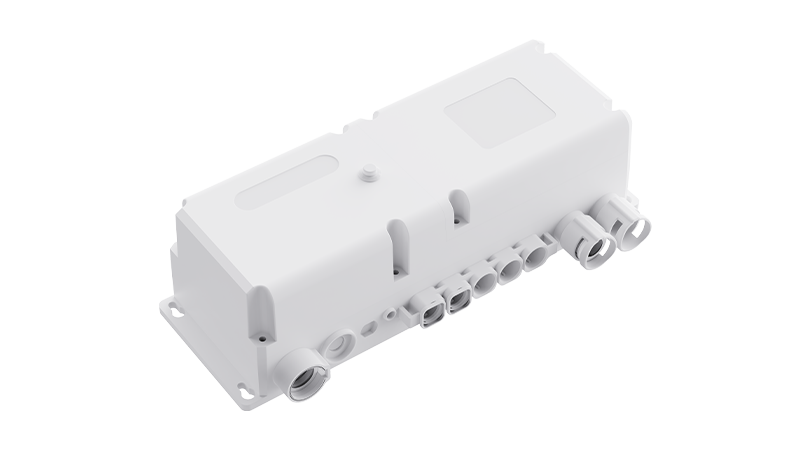
● Control box
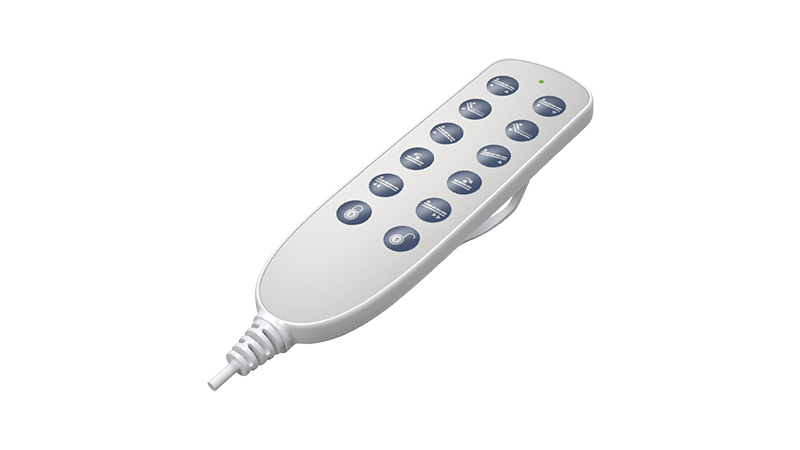
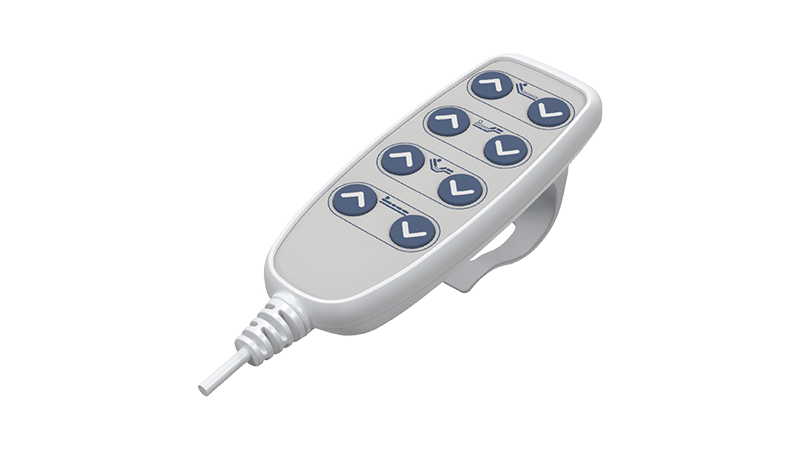
● Controls
● Accessory system
Key features and benefits
Dual actuator + external actuators — a common drive solution for bariatric care beds
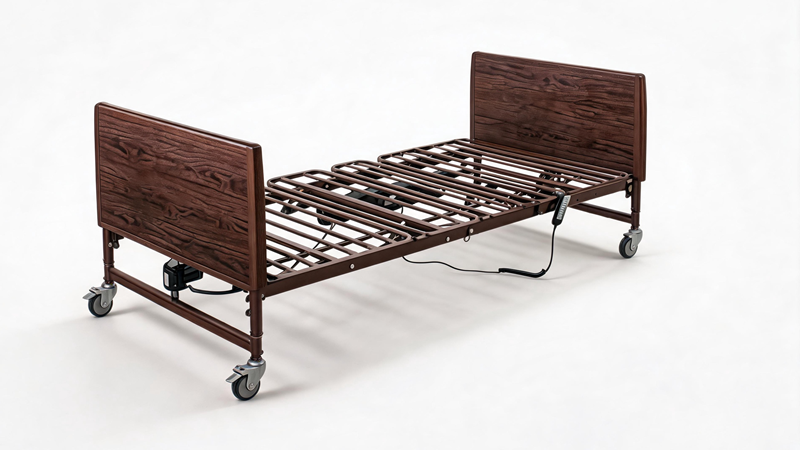
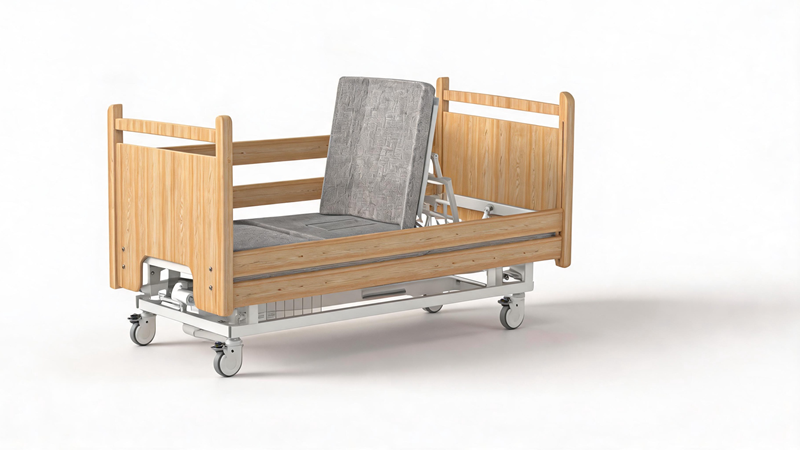
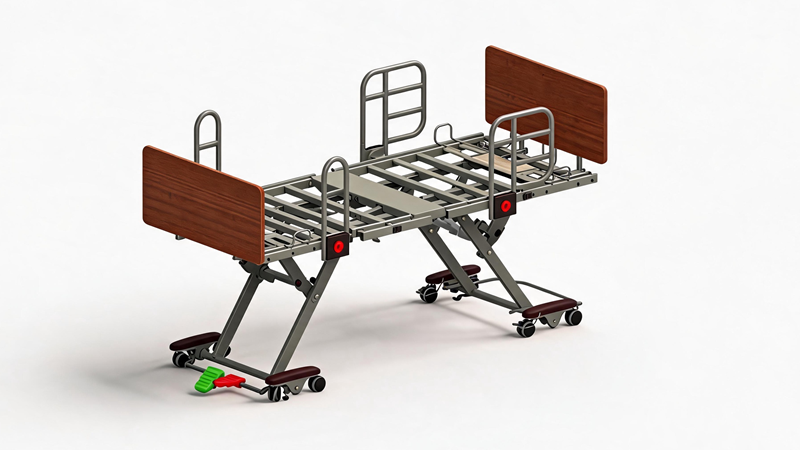
Bariatric care beds differ from standard care beds in terms of their drive solutions. While standard care beds are typically equipped with a dual actuator or multiple independent actuators to meet requirements, bariatric care beds employ a combined solution comprising a high-load dual actuator plus 2–3 external high-load linear actuators. The dual actuator, acting as the main drive unit, delivers an exceptionally high thrust of up to 6,500 N, effortlessly accommodating the positioning needs of patients with higher body weights. The 2–3 external high-load linear actuators are responsible for auxiliary movements such as back elevation, leg elevation, and overall bed height adjustment, respectively. Through this division of labor and coordination, they achieve precise and stable multi-axis synchronized control. This combined solution not only meets the essential requirement for exceptional thrust when caring for patients of heavy weight, but also enhances the system's overall reliability and redundancy by distributing the load across multiple actuators.
The self-locking advantage of the dual-motor structure
The dual actuator uses a worm gear transmission structure, providing greater self-locking force. When supporting patients of heavy weight, the bed's ability to maintain its position in any posture is directly linked to patient safety. The self-locking characteristics of the worm gear ensure that the actuators remain securely locked even when the power is cut or the system is at a standstill, preventing any accidental slippage of the bed frame.
Reinforced structure — ensuring stability under extreme loads
Turning and repositioning heavy patients on the bed generates dynamic loads and bending moments far exceeding those encountered in standard use. The bariatric care bed uses a reinforced bed frame structure, combined with high-strength drive components, to maintain structural stability and ensure smooth lifting and lowering even under extreme load conditions.
High protection rating — suitable for professional care environments
Operating in professional care environments where frequent cleaning and disinfection are required, the bariatric care bed offers a protection rating of up to IP66W. This provides full resistance to corrosion from cleaning agents and disinfectants, ensuring stable and reliable performance even under rigorous cleaning conditions such as high-pressure water jet washing.
Richmat's engineers provide end-to-end technical support—from needs assessment and solution design through to product delivery. With a reliable, medical-grade high-load linear drive system, we safeguard every moment of heavy-duty care and dignified patient care.