System configuration
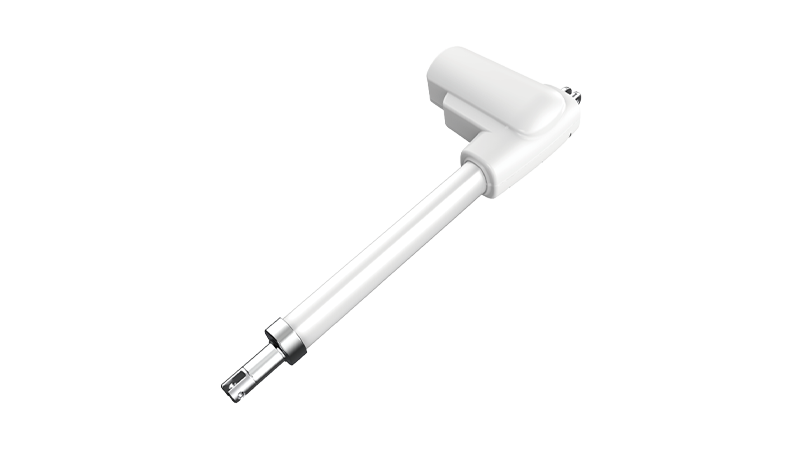
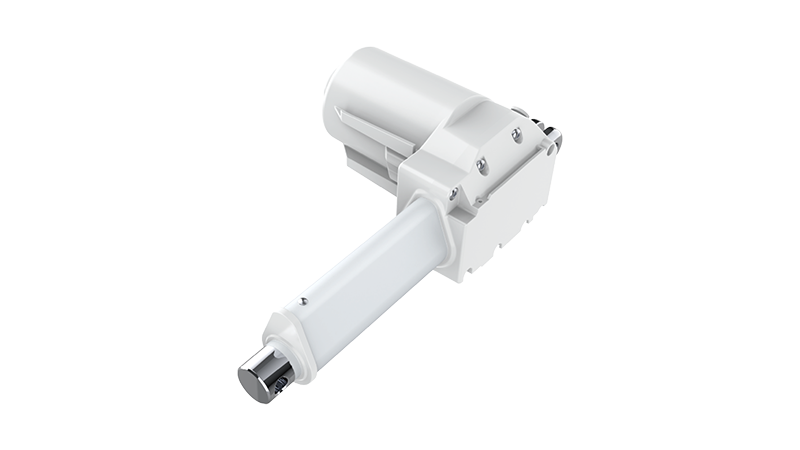
● Linear actuator
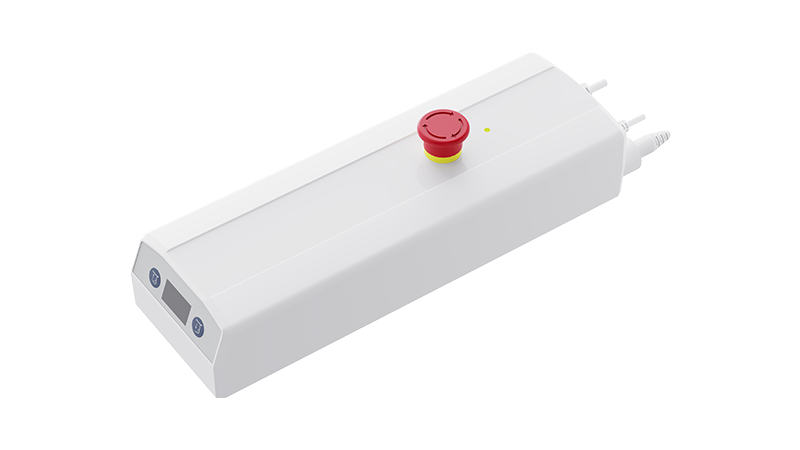
● Control box (optional)
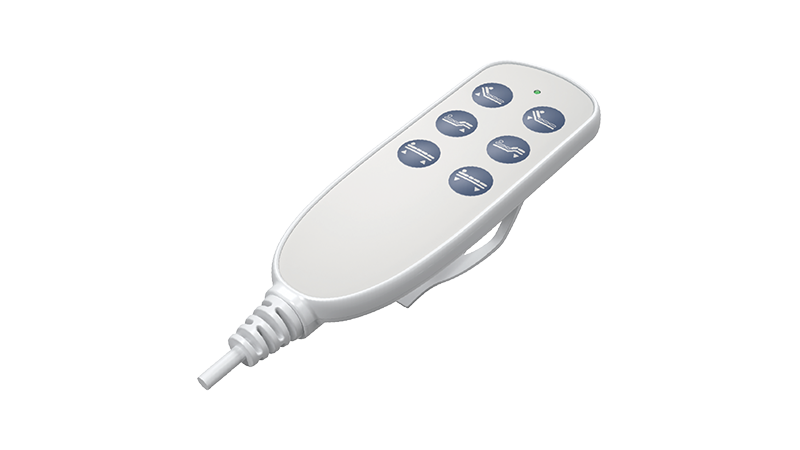
● Controls (optional)
Key features and benefits
Precise lifting to handle every testing task
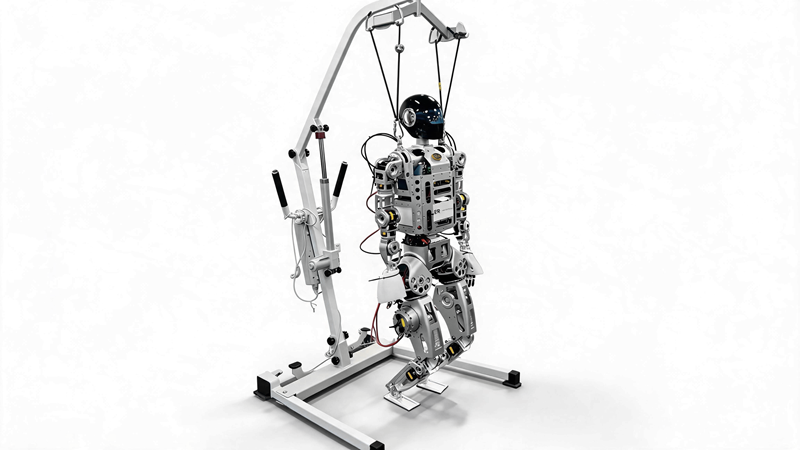
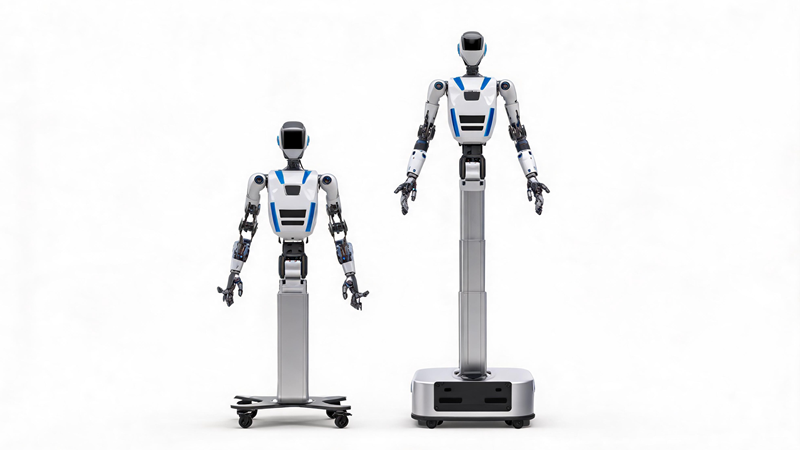
Offline testing of humanoid robots requires precisely lifting the robot to specific heights to simulate various motion scenarios and test conditions. Our linear actuators provide precise stroke control and extremely high repeatability, ensuring the robot is lifted to the exact same height every time. This precision is particularly critical for test items requiring a standardized operating environment, such as joint angle calibration and hand-foot coordination testing.
High load capacity, effortlessly supporting humanoid robots
Humanoid robots are substantial in weight, with some full-scale models weighing tens or even nearly 100 kilograms. Our linear actuators provide ample thrust reserve to effortlessly support the suspended weight of humanoid robots of various specifications. The actuators feature high-precision drive mechanisms and high-strength materials, ensuring smooth and stable lifting motion even under heavy loads, effectively preventing jamming or swaying caused by excessive weight.
Smooth operation ensures consistency in test data
Robot training and testing place extremely high demands on equipment stability—even the slightest vibration from the training hanger can affect the accuracy of sensor data collection, thereby compromising test results. Our linear actuators deliver uniform, jerk-free linear motion throughout the entire range, ensuring that the robot's lifting and lowering processes are smooth, controlled, and impact-free. The zero-backlash drive design further eliminates mechanical play, allowing the robot to complete every precision test on a stable platform, whether suspended or performing fine movements.
Quiet operation for an optimal testing environment
Robot R&D laboratories have strict requirements for noise control. Our linear actuators maintain extremely low noise levels even under full load, providing engineers with a quiet and comfortable working environment for debugging robot motion commands.
Fast response for improved testing efficiency
Training and testing of humanoid robots involve a large number of repetitive lifting operations, and the actuator's speed directly impacts overall testing efficiency. While ensuring smooth operation, our linear actuators deliver sufficient lifting speed, effectively shortening individual test cycles and enhancing the laboratory's overall R&D efficiency.
Built-in Hall sensors enable precise control for customers
Our linear actuators feature built-in Hall sensors that provide real-time feedback on stroke position and operational status via pulse signals. This allows customers' test control systems to precisely monitor the robot's suspension height and achieve accurate closed-loop control. Whether conducting rapid test switching between different robot models or long-term comparative experiments on the same model, the real-time feedback from the Hall sensors provides a reliable positional reference for every test data set.
Multiple safety protections to safeguard every valuable prototype
Humanoid robot prototypes are extremely valuable, and any accidental fall could result in incalculable losses. Our linear actuators are equipped with multiple safety protection mechanisms:
● Power-off auto-lock: the actuator automatically locks in the event of a sudden power outage, preventing the robot from falling accidentally
● Overload protection: automatically stops during overload operation to protect both the equipment and the robot itself
● Soft start and stop: ensures a smooth transition in speed during start-up and shutdown, preventing damage to the robot's joints caused by inertial impact
Richmat's engineers provide end-to-end technical support—from needs assessment and solution design to product delivery—using reliable linear drive systems to safeguard every moment of training and progress.