Industrial lift worktables

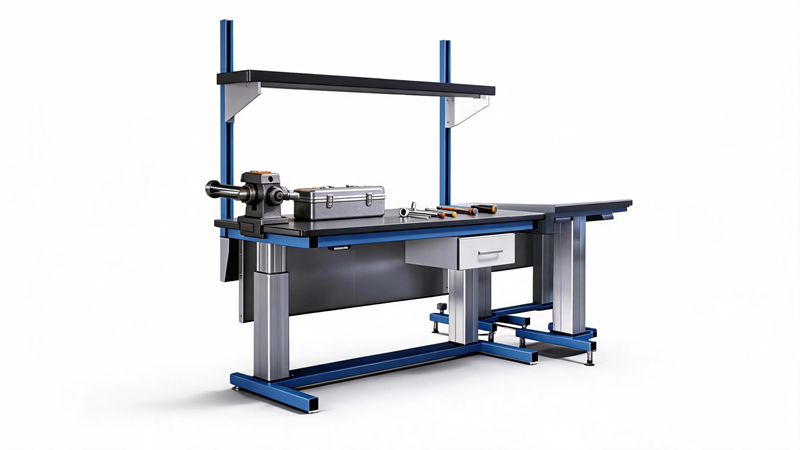
Industrial lift workstations are among the most widely used ergonomic devices in modern factories and assembly lines, finding extensive application in electronics assembly, machining, automotive manufacturing, aerospace, packaging and logistics, laboratories, and other settings. In fast-paced factory environments, efficiency and high precision are the most valued criteria. As operational hubs for complex manufacturing processes, technical workstations are equipped with a wide range of specialized tools and equipment; improper spatial configuration can significantly impact productivity.

Traditional manually adjustable workstations are not only time-consuming but also fail to provide precise height adjustments. Our industrial lift workstation system consists of three core components: lifting columns, control boxes, and controls. By installing lifting columns beneath a traditional workbench, the system enables electric height adjustment of the work surface. With a simple touch of the controls, employees can precisely adjust the work surface to the most comfortable operating height based on their own height and the task at hand—whether working while standing, sitting, or for shift workers of varying heights, everyone can find a comfortable posture at any time of the day. Adjustable workstations can improve lean processes on assembly or packaging lines and even ensure a safe working environment for ESD (electrostatic discharge) workbenches.


MORE
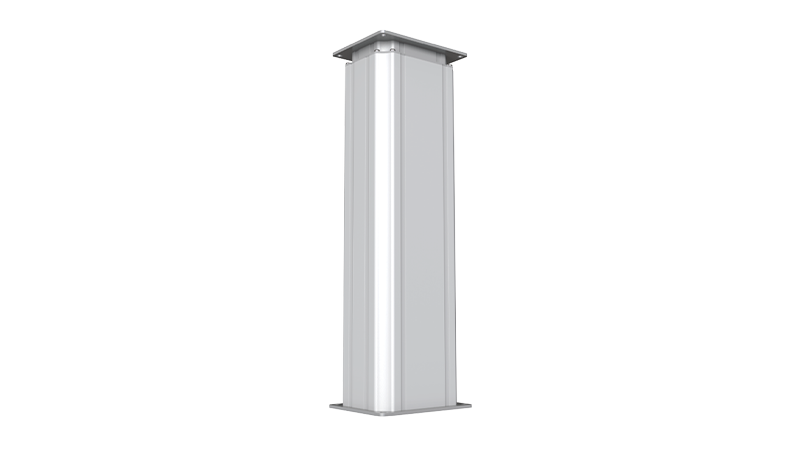
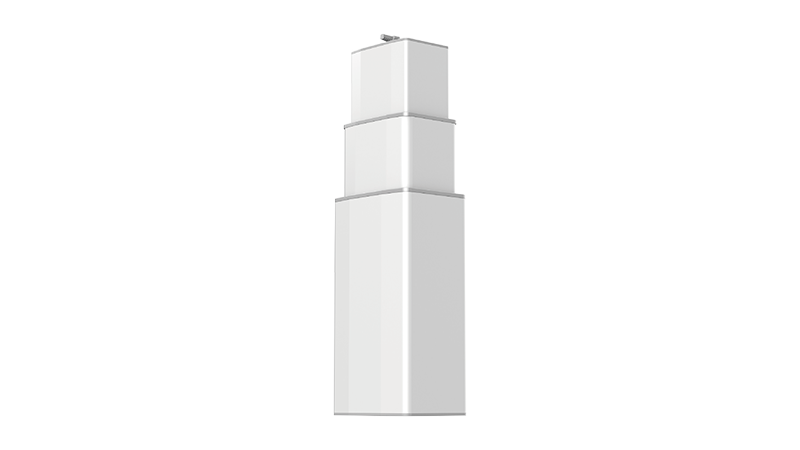
Lifting columns
Introduction

System configuration

● Lifting column

● Control box

● Controls

● Accessory system

Key features and benefits

Robust load capacity: effortlessly supports heavy industrial equipment

Industrial lift workstations must support not only the workpieces themselves but also various jigs, fixtures, testing instruments, heavy-duty tools, and more. Our lifting columns provide ample vertical load-bearing capacity (with a maximum load of 1,600 N per column), easily meeting the load requirements of applications such as heavy-duty technical workstations, assembly stations, and packaging stations. The system can be configured with two, three, or four lifting columns to meet the load and stability requirements of different workbenches.

High lateral force resistance ensures stable support during operation

Industrial lift workstations are subjected to forces from all directions during operation—such as the placement and removal of workpieces, impacts from tools, and operators leaning against the table. Our lifting columns feature strong resistance to lateral torque, effectively countering lateral forces and bending moments during operation. With a robust structure and stable operation, they ensure the worktable remains steady and wobble-free throughout the entire lifting cycle and under any operating conditions.

Smooth and quiet operation, enhancing the work environment quality

Industrial lift workstations are typically deployed in crowded production workshops or laboratories, where noise sensitivity is high. Our lifting columns provide smooth, seamless linear motion throughout the entire range of motion, with low noise and no jerks. This smooth lifting experience not only enhances operational comfort but also fosters a more focused and efficient work environment.

Precise height adjustment to meet diverse ergonomic needs

Industrial lift workstations often involve shift work, and employees vary in height and body type. Our lifting columns offer precise stroke control and stepless height adjustment, allowing each employee to adjust the workstation to the most comfortable height according to their individual needs. This personalized adjustment capability effectively reduces muscle fatigue and skeletal abnormalities caused by poor posture, thereby lowering absenteeism due to occupational illnesses such as back pain.

Ultra-low standby power consumption, committed to green manufacturing

In standby mode, our lifting system consumes less than 0.1W. This extremely low standby power consumption not only reduces long-term electricity costs but also aligns with the modern manufacturing industry's pursuit of green production and sustainable development.

Richmat's engineers provide end-to-end technical support—from needs assessment and solution design to product delivery—ensuring that our reliable height-adjustable systems safeguard every moment of assembly and precision operations.


Related Products
Other Applications
Reflow soldering ovens

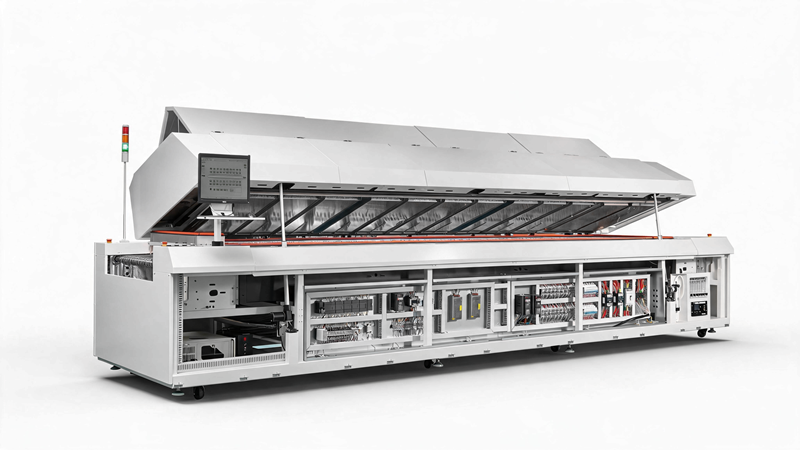
Reflow soldering ovens are the most critical soldering equipment in SMT (surface mount technology) production lines. They are widely used in the assembly of PCBs (printed circuit boards) across industries such as electronics manufacturing, automotive electronics, telecommunications equipment, and consumer electronics. Reflow soldering ovens heat solder paste to its melting point through preheating, soldering, and cooling zones, ensuring that surface-mount components are reliably bonded to the PCB pads. Modern reflow soldering ovens are evolving toward higher throughput and greater versatility, resulting in increasingly compact interior spaces.

In the daily operation of reflow soldering ovens, opening and closing the oven lid is the most frequent action during equipment maintenance, PCB loading and unloading, and troubleshooting. Traditional manual opening methods are not only labor-intensive but also pose a risk of burns due to the oven's large size and heavy weight. Our linear actuators are precision drive components specifically designed for the automatic opening and closing of reflow soldering oven lids. By receiving commands from the equipment's control system, the actuators precisely control the lifting, lowering, and angle adjustment of the oven lid. In a typical design, two electric linear actuators are mounted on the front of the oven body, and two support brackets are mounted on the back. When the actuators extend synchronously, the oven lid opens to an angle of approximately 18 degrees, with the rear support bracket serving as the pivot point. The actuators are delivered as individual components, featuring built-in Hall sensors that integrate with the customer's control system. The actuator system is simple, has low maintenance costs, and offers a long service life, significantly enhancing the equipment's stability and reliability.