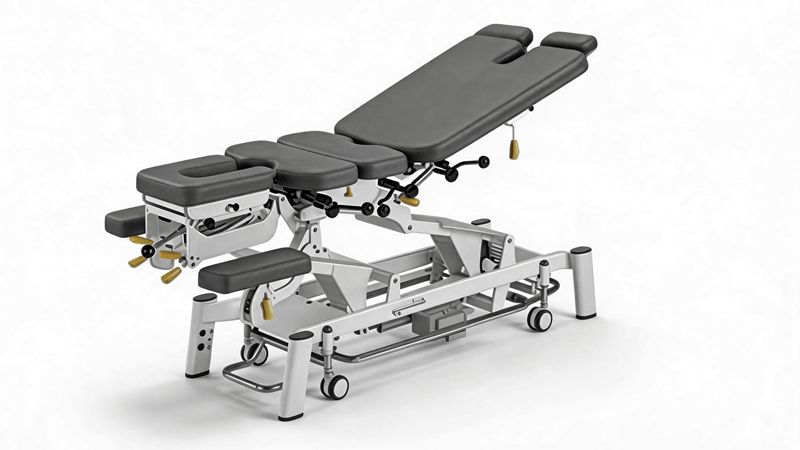
System configuration
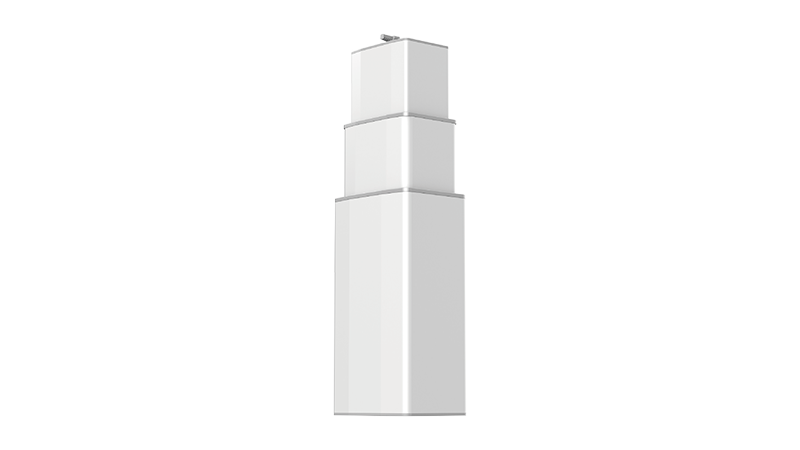
● Miniature linear actuator (joint drive, posture adjustment)
● Control box (optional)
Key features and benefits
High repeatability and positioning accuracy — ensuring consistency in rehabilitation movements
The effectiveness of rehabilitation training is based on the re-establishment of neuromuscular pathways. Following a stroke or spinal cord injury, the neural connections between the brain and the limbs are damaged, requiring extensive repetitive and standardized movement training to re-establish the correct motor command pathways—every joint flexion angle and movement trajectory must be precisely consistent; any deviation means a shift in the target muscle groups being trained, leading to the reinforcement of incorrect movement patterns.
Our linear actuators offer extremely high repeatability, ensuring that every movement driven by the robotic system precisely lands at the same position.
Smooth motion curves, simulating natural human movement
Rehabilitation robots need to simulate the natural movement trajectories of human joints—with smooth speed, continuous acceleration, and no jerks or impacts. Our electric linear actuators provide constant-speed, jerk-free linear motion throughout the entire range of motion. Through precision transmission design and control algorithms, they convert rotational motion into smooth linear motion, driving robotic joints to perform flexion, extension, and rotation in a manner that closely mimics natural human movement. During training, patients experience fluid, natural motion guidance rather than stiff, mechanical pushing and pulling.
Compact and lightweight, suited to the limited space of rehabilitation robots
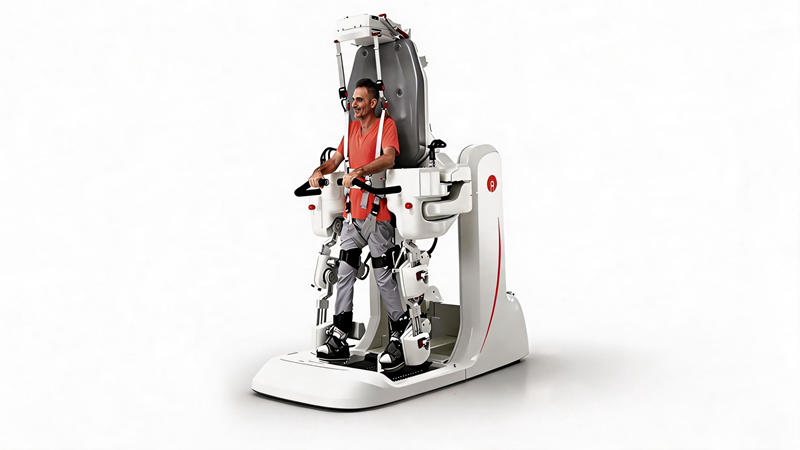
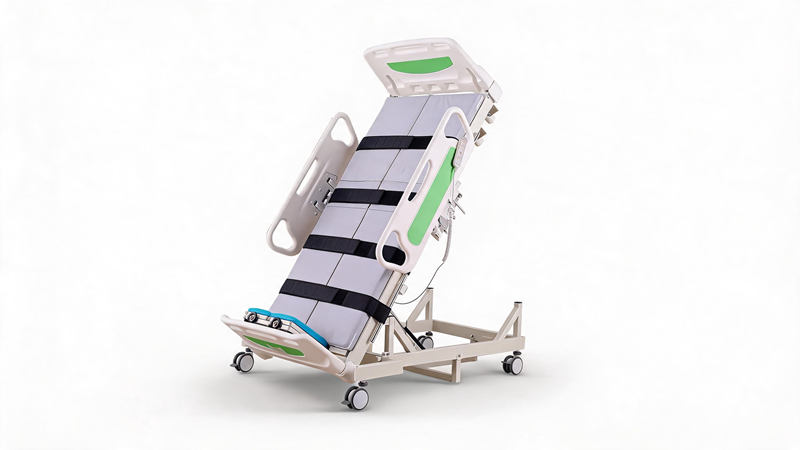
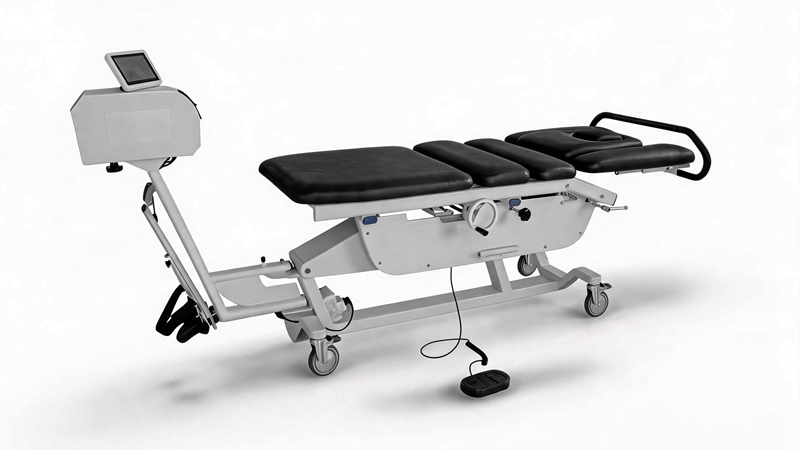
Rehabilitation robots come in various forms and occupy different spaces—ranging from wearable exoskeletons to chair-based training devices, and from finger rehabilitation devices to lower-limb training platforms. Our miniature electric actuators are known for their ultra-compact design and lightweight construction, enabling them to be integrated into the joints and drive mechanisms of all types of rehabilitation robots. This lightweight characteristic is particularly important for wearable rehabilitation robots—every gram of weight saved reduces the burden on the patient, enhancing comfort and compliance during training.
Low-noise operation, creating a focused training environment
Rehabilitation training typically requires patients to maintain a high level of concentration in order to perform movements in accordance with the robot's guidance. Any additional noise may distract patients and compromise training outcomes. Our electric actuators operate at an extremely low noise level, ensuring that the joint movements of rehabilitation robots are virtually silent, allowing patients to focus on every flexion and extension, and every step.
Long service life and maintenance-free operation ensure high-intensity rehabilitation training
Rehabilitation robots often need to operate continuously for several hours a day, year-round. Our electric linear actuators feature a maintenance-free design, requiring no regular lubrication or replacement of wear parts. They have been validated through tens of thousands of endurance tests, ensuring stable operation throughout the rehabilitation robot's entire lifecycle. The minimal maintenance requirements guarantee the continuity of rehabilitation training, preventing any disruption to the patient's recovery process due to equipment failure.
Built-in Hall sensors, empowering customers with precise control
Our linear actuators feature built-in Hall sensors that provide real-time feedback via pulse signals on the actuator's stroke position, speed, and load status. This enables the customer's rehabilitation robot control system to achieve precise closed-loop control—monitoring joint angles in real time, adjusting drive torque in real time, and recording training data in real time. The real-time feedback from the Hall sensors provides a reliable technical foundation for the precise, data-driven, and intelligent management of rehabilitation training.
Richmat's engineers provide end-to-end technical support—from requirements analysis and solution design through to product delivery. With our reliable, medical-grade linear drive systems, we safeguard every moment of functional recovery and the restoration of dignity.