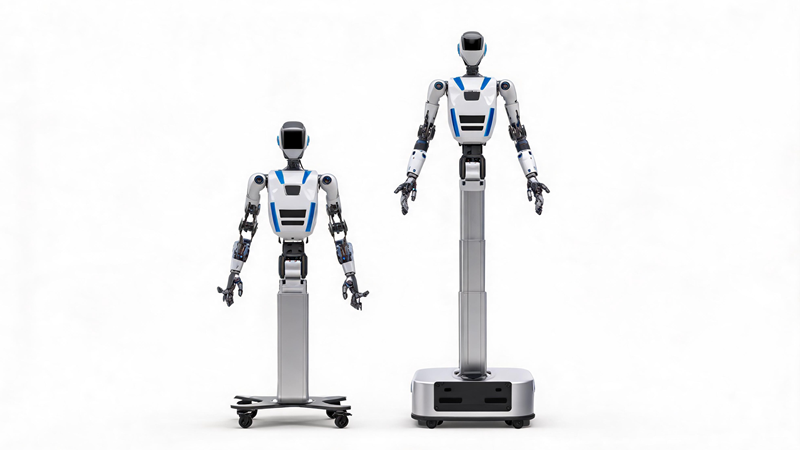
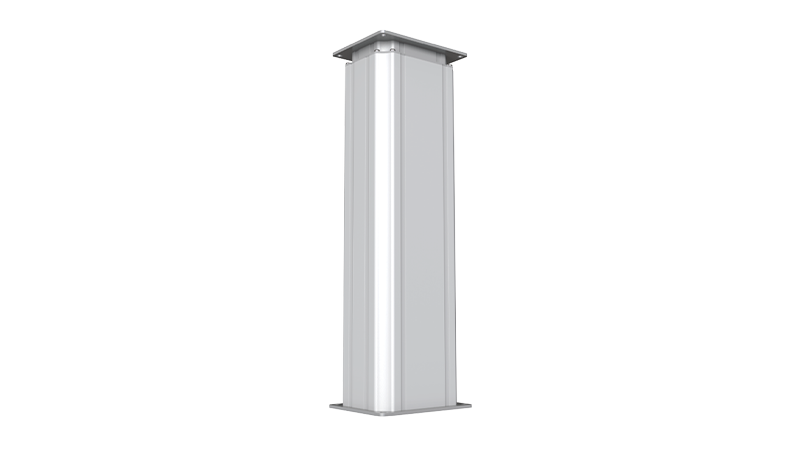
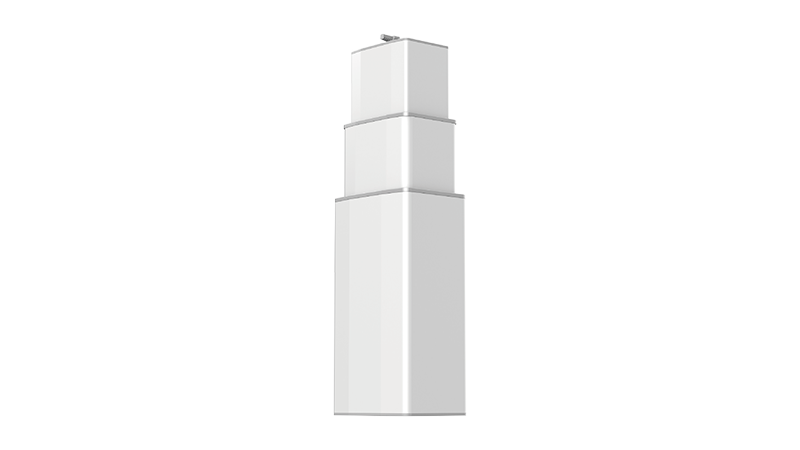
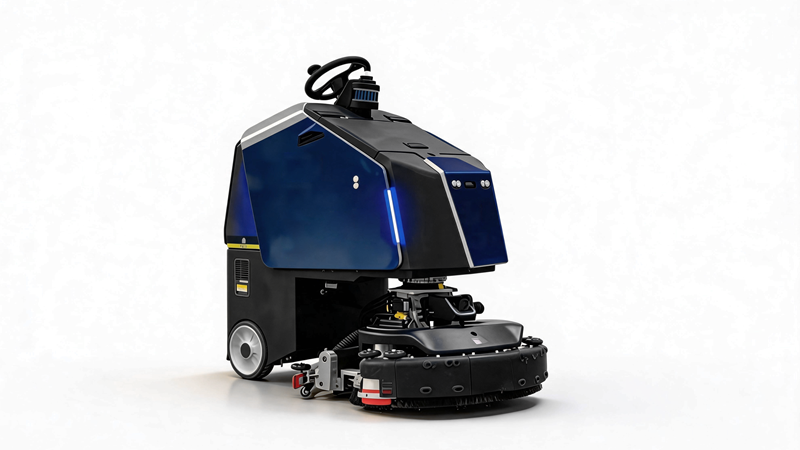
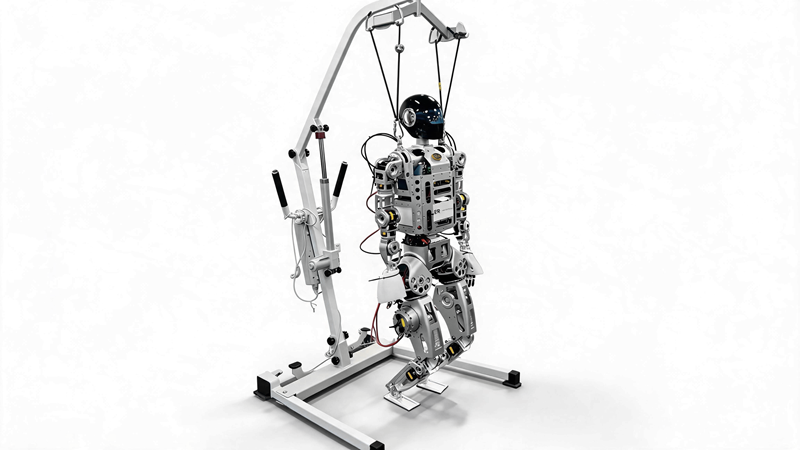
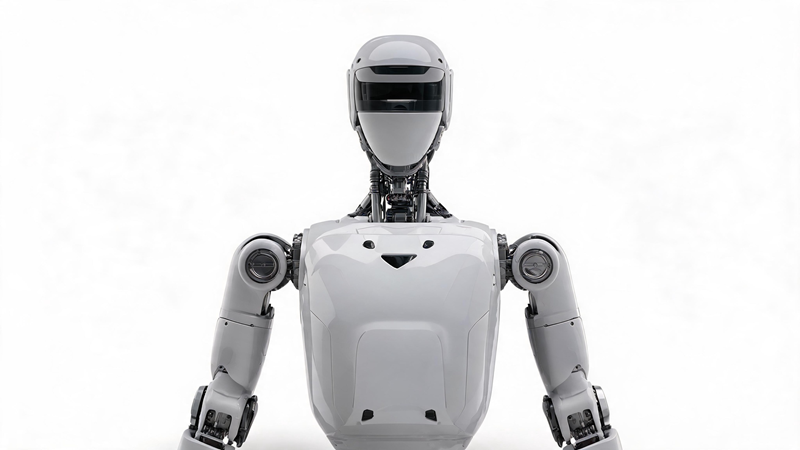
System configuration
● Lifting column
Key features and benefits
High load capacity: effortlessly supports the upper body of a robot
The upper body of a torso robot integrates core components such as a robotic arm, sensor arrays, a main control system, and a battery pack, resulting in considerable weight. Our lifting columns provide ample vertical load-bearing capacity, effortlessly supporting the entire weight of the robot's upper body. Whether performing low-speed precision tasks or high-speed patrols, the lifting columns maintain stable lifting performance while under load.
High resistance to lateral forces, ensuring postural stability during dynamic operations
As a torso robot moves, the inertial sway of its upper body exerts significant lateral forces and bending moments on the lifting columns. Our lifting columns feature robust resistance to lateral forces, effectively counteracting the tilting and torsional forces generated during robot movement and steering. This characteristic ensures that the robot's upper body remains stable during rapid movement and sudden stops or turns, providing a solid foundation for precise robotic arm operations and stable sensor data acquisition.
High-speed, smooth lifting and lowering with agile response to every command
The operational efficiency of a torso robot depends largely on its lifting speed. Our lifting columns feature high-speed lifting capabilities, combined with the precise closed-loop control of the servo system, ensuring that height adjustments are both rapid and linearly smooth. Whether quickly lowering the center of gravity to navigate low-clearance spaces or smoothly raising the field of view to survey the entire scene, the lifting columns respond with agility.
Compact and integrated, providing greater design flexibility
Every inch of space inside a robot is at a premium. While delivering powerful performance, our lifting columns are known for their compact form factor and highly integrated design. The integrated design, which houses the motor and controller internally, eliminates the need for external control boxes, significantly saving installation space. This compact structure allows it to blend seamlessly into the robot's body, freeing up valuable space for critical modules such as the battery, main controller, and sensors, and helping to achieve a more elegant and streamlined overall design.
Long service life and maintenance-free operation, suited for high-intensity tasks
Torso robots often require round-the-clock, high-intensity continuous operation. Our lifting columns feature a maintenance-free design, with drive mechanisms entirely developed and manufactured in-house. They have been validated through tens of thousands of endurance tests to ensure stable operation throughout the robot's entire lifecycle.
Intelligent communication, real-time interaction with the robot's "brain"
Our lifting columns support mainstream industrial communication interfaces such as RS-485, enabling real-time feedback on position and status, as well as the reception of precise motion commands. As an intelligent actuator, the lifting column can coordinate in real time with the robot's control system, making the lifting action itself an integral part of the intelligent decision-making loop.
Wide temperature range operation, effortlessly handling various operating environments
The operating scenarios for torso robots range from cold-chain warehousing to outdoor inspections, spanning an extremely wide range of ambient temperatures. Our lifting columns feature a broad operating temperature range and maintain stable mechanical and electrical performance even under harsh temperature conditions.
Richmat's engineers provide end-to-end technical support—from needs assessment and solution design to product delivery—safeguarding every lifting operation and expansion with a reliable lifting system.